

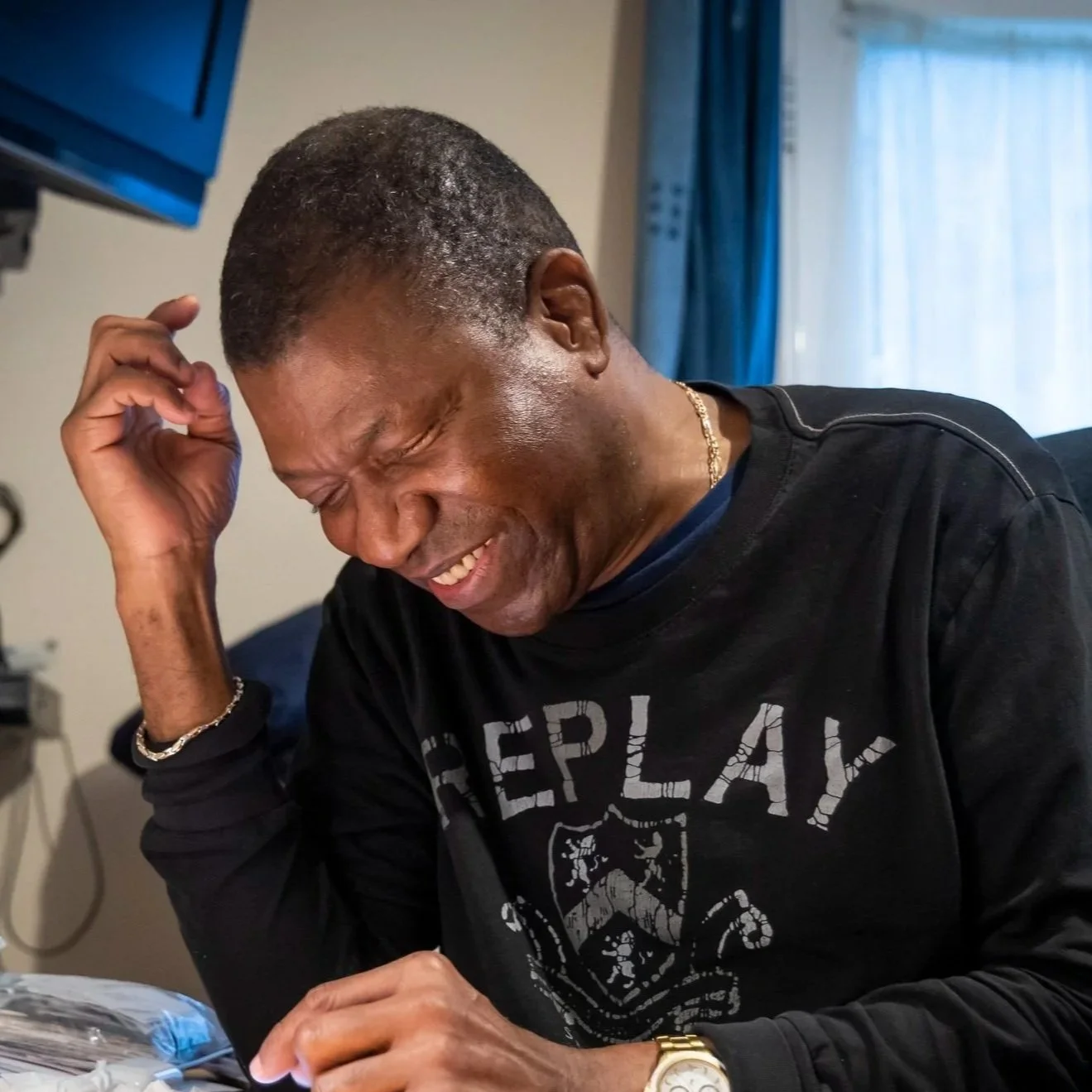
An employers’ support toolkit for people with chronic health conditions and pain

Quick links:
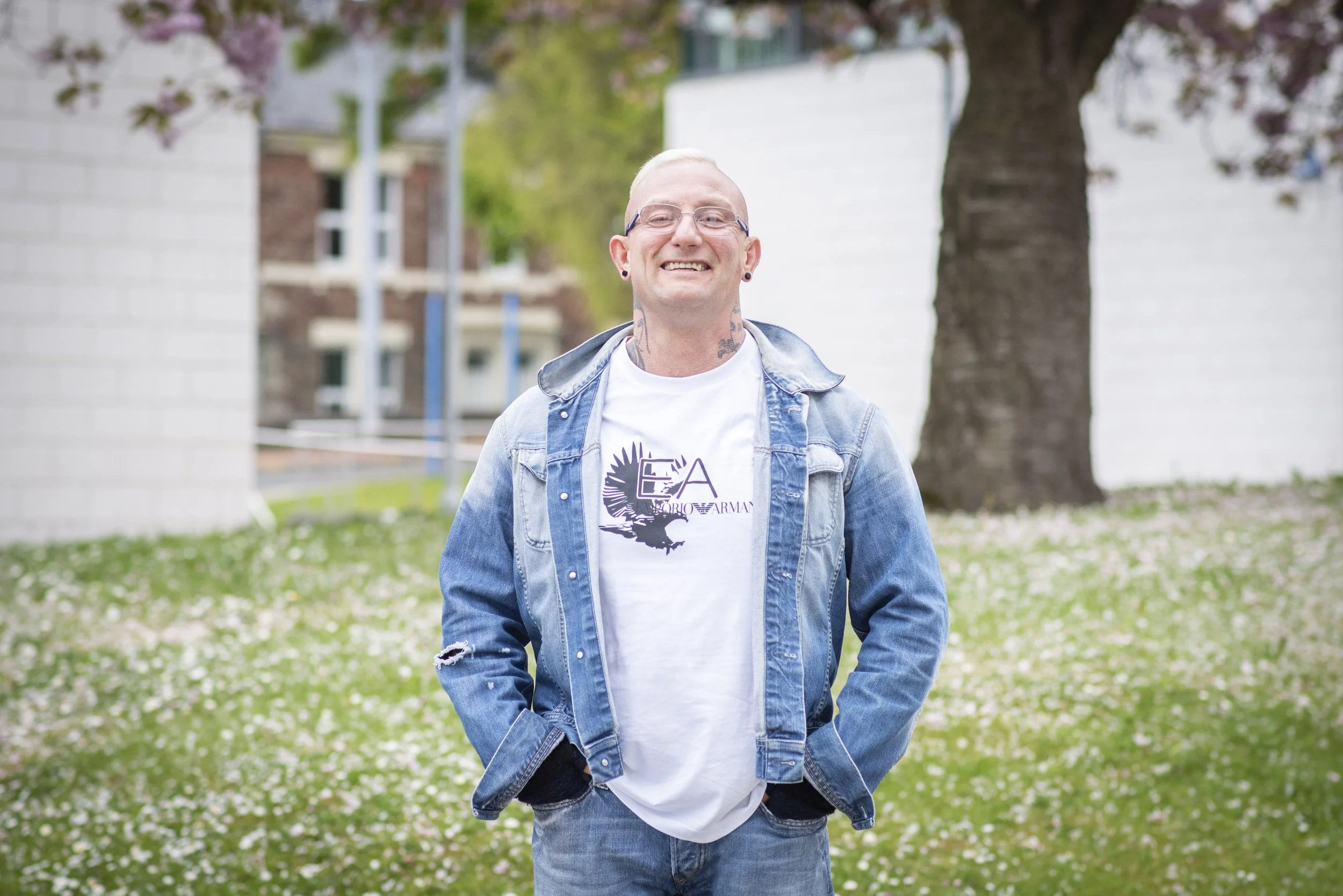
‘Sumi’ (not her real name) received psychosocial employment support from Ways to Wellness in late 2025 and early 2026.
Hear in her own words how she went on to get a job for the first time in her life, and feels more confident in her ability to manage her pain.
Introducing our ‘Beyond Pain’ tool
Our ‘Beyond Pain’ tool can help practitioners, employers and individuals experiencing chronic pain. Watch the video above to discover how the tool can be used to help people recognise the small changes within their power to support the management their chronic pain or other persistent physical symptoms in the workplace.
Learn how to use the ‘Beyond Pain’ tool to:
- Help employees understand how pain and persistent symptoms are impacting them
- Support your employees to find hope and learn to better manage their symptoms
- Support employers in conversations around reasonable adjustments that might help team members manage their symptoms at work
A note about the psychosocial support we offered those living with chronic conditions and pain
The main referral route for adult clients accessing the programme was their GP, and to be eligible for support, they needed to be out of work and not seeking employment.
Rather than making anyone start or return to work before they were ready, personalised help from a specialist social prescribing link worker supported people in the self-management of their pain or persistent physical symptoms, enabling them to find the space and energy for more meaningful activity in their lives, including taking steps towards work.
All aspects of life with the potential to impact on whether clients felt able to work were addressed, no matter how long they were away from employment. See Sumi’s story below to understand more about the intervention.
What is chronic pain?
It is persistent
It fluctuates day to day, and sometimes hour by hour
It is sometimes invisible
It commonly tends to occur alongside fatigue, including cognitive fatigue, often referred to as ‘brain fog’, with difficulties in concentration
It affects a person’s stamina
It can cause mobility limitations, such as affecting the ability to sit or stand for long periods
It can disrupt sleep and this in itself can make the experience of symptoms worse
It has an emotional and psychological impact; there can be a fear of stigma, anxiety and stress around disclosure, and associated financial pressures
People may use self-limiting behaviours to cope, such as avoiding physical or social activity, resting more than they may need, drastically reducing activity or interactions, or becoming reliant upon assistance from others. This can worsen physical symptoms, such as stiffness and muscle weakness, increasing the likelihood of isolation, and decreasing independence. Negative thinking patterns, like catastrophising, or feelings of helplessness, can develop, magnifying the threat, perception, or experience of pain
Mental health difficulties can result, and this can become a spiral of worsening physical and mental symptoms, with both impacting on the other
Overall quality of life is reduced
The aim and the context; why the North East?
Having been part of the North East Mayoral Strategic Authority’s Economic Inactivity Trailblazer, through which Ways to Wellness received Department for Work and Pensions (DWP) funding to offer client-led psychosocial employment support to people who feel unable to work due to pain or their health, this digital toolkit has been informed by direct conversations with both the clients we’ve helped move closer to work, and regional employers that generously shared their experiences with us.
As of early 2026, North East England has the highest rate of economic inactivity due to long-term sickness in the UK, with chronic health conditions and pain serving as a primary driver for being out of work.
The region faces a persistent challenge in that more than a quarter of the working-age population is economically inactive, a figure that is costing our annual economy a staggering £18.4 billion.
To put that number in perspective, it would take one person with the average full-time UK salary of £35,000 more than 525 years to earn this amount, and based on NHS figures using this salary as a baseline, the sum could be used to recruit more than half a million newly-qualified nurses.
In response to this challenge, this insight-led toolkit has been created to support the region’s employers and recruiters to better understand the challenges people with chronic conditions and pain face, whether seeking employment or aiming to stay in work, and provides practical guidance that can help individuals impacted by these issues to feel included, confident to contribute, and able to perform at their best.
Hear one woman’s experience of living beyond chronic pain
‘Where do we start?’: What employers told us
This toolkit has been informed by the views and experiences of more than 300 North East employers of varying size and sector. They told us they want tools and practical guidance that, beyond their duty to provide reasonable adjustments, help them feel more confident to fully support individuals with specific conditions in the here and now - in those informal and unexpected moments in which things crop up.
Our intelligence suggests larger employers feel they have less autonomy in relation to what this support looks like compared with small and medium sized enterprises (SMEs), as they have greater commitments in relation to the resourcing required to take part in established accreditation schemes around staff wellness and inclusion.
Most North East workplaces are anxious to ensure they are doing the right thing, but team members — and potential new recruits — are individuals with varying needs, so it isn’t always clear what that is. While a one-size-fits-all approach serves no one, employers said clear principles and practical flexibility help them respond effectively.
Rather than relying on a single policy or fixed adjustment, the most successful approaches create space for open conversations between managers and employees, supported by straightforward guidance on what flexibility can look like in practice. This allows organisations to respond to individual circumstances while maintaining fairness and consistency across teams.
Creating an environment in which employees feel comfortable discussing their needs openly — and managers feel confident responding with reasonable flexibility — helps organisations move beyond rigid processes and policies, towards solutions that work for both the individual and the business.
With that in mind, this toolkit provides some simple frameworks, conversation prompts and examples of workplace adjustments that can help employers support people living with chronic illness or pain in a way that is both compassionate and workable.
An SME case study
One creative agency we spoke with, which employs around 65 individuals, has a dedicated health and wellbeing team, which encourages day one one-to-one meetings with all new recruits to encourage them to open up about any specific needs they may have.
They said: “We tend not to use the words ‘reasonable adjustments’ as we’ve understood from the results of our regular equality, diversity and inclusion survey that many team members just don’t identify that this term actually applies to them; yet around 40% of employees do have a requirement for a reasonable adjustment.
“Removing any assumption that people identify as having a disability, regardless of whether they meet the legal definition, has helped us.
“As far as possible, we try to create an atmosphere that lets everyone be themselves at work, and we understand not every day is the same when it comes to chronic health matters.
“We seek out best practice to create a culture of real psychological safety that comes directly from our senior leaders, and this filters throughout the organisation.
“But we don’t deny that knowing where to start is a huge challenge. Intersectionality is definitely a factor. We take quite a holistic view as people often have complexities that blur the lines between different factors, including protected characteristics.
“In terms of key performance indicators, we know now through experience that if we provide the right support measures to people, deliverables will improve across the organisation, so monitoring metrics such as staff retention and sickness absence rates is vital.
“But no formal diagnoses are necessary. We simply start - whether we’re recruiting or dealing with a current team member - with the question, ‘what can we do to make your life in work easier?’, and take it from there.
Under the Equality Act 2010, a person has a legal disability if they have “a physical or mental impairment that has a substantial and long-term adverse effect on their ability to carry out normal day-to-day activities”.
‘Substantial’ means more than minor or trivial, while ‘long-term’ is generally accepted to mean lasting, or likely to last, at least 12 months.
Some of the tools and practices this organisation uses:
Leadership modelling in sharing lived experience, gaining feedback, admitting mistakes, and demonstrating vulnerability.
Lunch and learn talks about individuals’ lived experiences, which inspire and empower team members to speak on their own needs and circumstances.
Written and audio-visual case studies to provide the ‘bigger picture’ context of an individual’s experience in an accessible way, including both positive and challenging aspects.
Recruitment via CV, rather than by application form.
Taking a wellness perspective, rather than risk-first in relation to obtaining data on gaps in employment and sickness absence when seeking references.
Structured communication via small team huddles and one-to-ones that look at team dynamics and health and safety, as well as tasks and deadlines.
Team training on communication skills, and how to spot and report unacceptable behaviour.
Making it ‘safe to fail’, with project retrospectives that look for learning and improvement opportunities, rather than seeking blame for errors.
Anonymous surveys and feedback tools to monitor for continuous improvement.
“Removing any assumption that people identify as having a disability, regardless of whether they meet the legal definition, has helped us.”
- A North East SME employing 65 individuals
‘Help me to work’: Insight from our work with clients
Our specialist social prescribing link workers support clients over the long-term on a one-to-one basis. They are led by clients themselves, who set personal goals that are meaningful to them, taking into account all the factors of life that may be influencing the circumstances in which they find themselves.
“I do miss work”
Clients often tell us they miss working if their health prevents them from attending a job, while many clients in work, whose employers have provided support measures to suit them, are thankful for that. However, both financial and social pressures mean many clients make their symptoms worse by pushing themselves beyond their limits, rather than asking for support from their workplace, or drawing attention to their condition.
Tom Arthurs, who is one of our team members that provided psychosocial employment support, explained: “Clients will often push themselves at work, but end up being exhausted at the end of the day as a result — crashing out and sleeping as soon as they get home.
“I once worked with someone who was taking a phased return to work as advised by their GP. They were told by management they could take it easy, but in a high stress environment, they felt guilty. And pushing themselves to keep up just led to more necessary time off.”
Wary of special treatment
Project Team Lead Steffen Laukard added: “People don’t like getting ‘extras’ or feeling ‘special’. They worry they’ll be judged or looked down upon — or seen as not pulling their weight - not just by employers, but colleagues too.
“Employers can downplay the need for, or delay occupational health assessments, but these can never take place too soon.”
Terminology can be important. People living with chronic conditions may not view them as either sickness or disability, but they may be unlikely to recover fully, and symptoms are often lifelong. That said, with the right management — through a combination of self-care and support, including from work, individuals can maintain, or even increase activity levels, and potentially prevent deterioration.

‘Dreaded’ disclosures
People worry about when to disclose their condition — on the job application form, after a job offer, or even after they’ve started a role. They fear what might happen, and whether prejudice or bias may inadvertently enter the picture.
They also worry about gaps in employment, and how these might look. It’s easy to lose confidence when you’ve been out of work for a while, whatever the reason.
Similarly, sickness thresholds based on the number of instances rather than overall time off can act as a disincentive to returning to work after a period of absence. It can help to have the option to work from home, where this is appropriate, and if thresholds can be relaxed depending on an individual’s circumstances, this can prevent additional anxiety that can make symptoms worse, and actually prevent an earlier recovery or return.
Some of the things employers have put in place that have helped our clients get work, stay in work, or feel well-supported in a return to work following absence:
The option to meet interviewers beforehand, particularly if someone has a neurodivergence or mental health condition involving anxiety.
Support to orientate, or re-orientate, into a workplace before the first day, or first day back. For example, videos showing what the working environment looks like, or specific workplace rituals, as well as structure charts or something visual that shows people ‘who’s who’.
Clarity from employers — from pre-employment onwards — around workplace processes, their rights and responsibilities, and the expectations upon them in terms of disclosure, maintaining contact when unwell, and paperwork. What is the policy on absences, what are the thresholds, and ‘what will happen if…’? Such information needs to be easily available and in an accessible format, not just in a written policy or employee handbook, but made clear through less formal conversations with managers too.
Occupational Health (OH) assessments at the earliest opportunity. For very small organisations with no Human Resources (HR) or OH function in-house, services such as pre-employment screenings, on-site and remote wellbeing assessments, and ergonomic or environmental safety checks, can be brought in on a short-term or consultancy basis. Make sure the provider is accredited by the Safe Effective Quality Occupational Health Service (SEQOHS).
Flexibility around the time off required for treatment of conditions, or for caring responsibilities when children are receiving health treatment, such as from a hospital.
Long-term or permanenet role adaptations that help reduce physical demands, such as sitting or standing for long periods of time, or moving around a lot.
Permission to change working patterns, not just over the short-term.
The option to take advantage of in-work mentoring.
Further resources
More information to support employers in relation to health can be found through some of the following organisations:
Support to understand chronic pain and its impacts can be found from Flippin Pain and Live Well with Pain, as well as Pain UK.
Hear stories from people that received support from Better Working Futures, the government’s work and health programme, which is now closed to referrals.
Find out about the individual support on offer for those with disabilities and health conditions at gov.uk/access-to-work. Similarly, you can find out more about the government’s new ‘Right to Try regulations, which from 30 April 2026 have enabled those with disabilities the right to try employment or volunteering without this automatically leading to a benefit reassessmnet, at gov.uk/government/publications/right-to-try.
Employees with health conditions and/or disabilities may benefit from having a free Health Adjustment Passport, a personal document they can use to identify the help and support they may need to move them towards a job, or to stay in work.
Read the government’s final report to ‘Keep Britain Working’, and find out about the North East Combined Authority’s response, its ‘Connect to Work’ programme, which offers tailored support and links employers with candidates who are supported to thrive in their roles.
Read the finding’s of The Health Foundation’s ‘Commission for Healthier Working Lives’, supporting you to take action for better working-age health, and a thriving workforce
Read The Marmot Review report, ‘Fair Society, Healthy Lives’, proposing an evidence-based strategy to address the social determinants of health, which Newcastle upon Tyne is in the process of implementing as one of several emerging ‘Marmot’ cities. In addition, The Health Foundation looked at ‘The Marmot Review 10 Years On’.
To inspire an approach that places health at the forefront of all workplace policies, there are now ‘Health in all Policies’ manuals by the Local Government Association, for mayoral regional authorities, and by Newcastle City Council’s Director of Public Health in relation to taking a children and family-led approach. You can also read lessons from around the world in relation to the way a ‘Health in all Policies’ approach has been implemented.
To find out how to make a referral to the North East and North Cumbria ‘WorkWell’ programme, which aims to keep people in their roles whatever their health circumstances, visit northeastnorthcumbria.nhs.uk/our-work/workwell-programme.
Find organisations that can help people with various barriers to work through the Newcastle City Council InformationNOW service.
Contact charity Rise North East to learn about the workplace wellbeing programmes it can offer to help you create a healthier, happier workforce.
The Advisory, Conciliation and Arbitration Service (ACAS) offers a series of resources supporting health-and-wellbeing-at-work.
We Are All Disabled, run by Dr Lucy Reynolds, is a Community Interest Company (CIC) supporting an affirmative approach to disability.
The Manual of Me is a customisable framework helping everyone to explore and explain their working preferences, motivations and needs in a personal ‘user manual’. Similarly, Mind provides a series of guides to producing Wellness Action Plans - straightforward and practical manuals for recovering and maintaining health, for general workplaces, those working remotely, hybrid workers, and line managers. Find out more, and download personalisable templates, at mind.org.uk/workplace/my-mental-health-at-work/wellness-action-plans.
Difference North East provides training, consultancy, and other resources to support workplace accessibility for those with disabilities.
Partners and funders
This project was funded by the North East Mayoral Strategic Authority as part of the Economic Inactivity Trailblazer, a £10 million programme, funded by the Department of Work and Pensions (DWP), aiming to help more than 2,000 people in the North East who are not working because of ill health.
Start a conversation
