Employability and health: both inside and out at Ways to Wellness
Ways to Wellness is proud to have achieved the bronze Better Health at Work award, recognising our ongoing work empowering team members in taking care of their health and wellbeing.
Health inequalities in the North East remain stark, with people living in the North twice as likely to lose their job following a spell of ill health as those in the rest of England. The North East has a higher prevalence of long-term conditions and some of the highest rates of economic inactivity in the country; around 33% of this is due to ill health.
System change starts from within
The Better Health at Work scheme, established in 2009, promotes workplace health across the region. Supporting more than 500 organisations and 250,000 workers, it has grown to become England’s largest workplace health programme. Being part of it aligns with our purpose in tackling health inequalities, and at Ways to Wellness, we believe positive policy and culture change begins within organisations.
As a charity working in the healthcare system, we know that supporting staff health and wellbeing has a huge impact on motivation, productivity, and absenteeism. According to the TUC, over the last three years, an estimated 29,000 workers in the North East reported work-related stress, depression or anxiety that was caused or made worse by work.
That's why we’re also part of the North East Combined Authority (NECA) Economic Inactivity Trailblazer funded by the Department for Work and Pensions (DWP), testing the impact of offering psychosocial employment support for to people with chronic conditions and pain.
Through this project, we are working with regional employers to create a toolkit to improve understanding around supporting people with long term health conditions, pain or persistent physical symptoms in the workplace.
And we are putting our money where our mouth is in relation to this work, by demonstrating - through Better Health at Work - that investing in team wellbeing yields long-term benefits.
Supporting systemic change
At the start of our journey, we knew putting staff needs first was vital in providing activities that would matter to them. Using a health needs assessment, we identified three priority areas: sleep, stress, and physical activity and musculoskeletal (MSK) health.
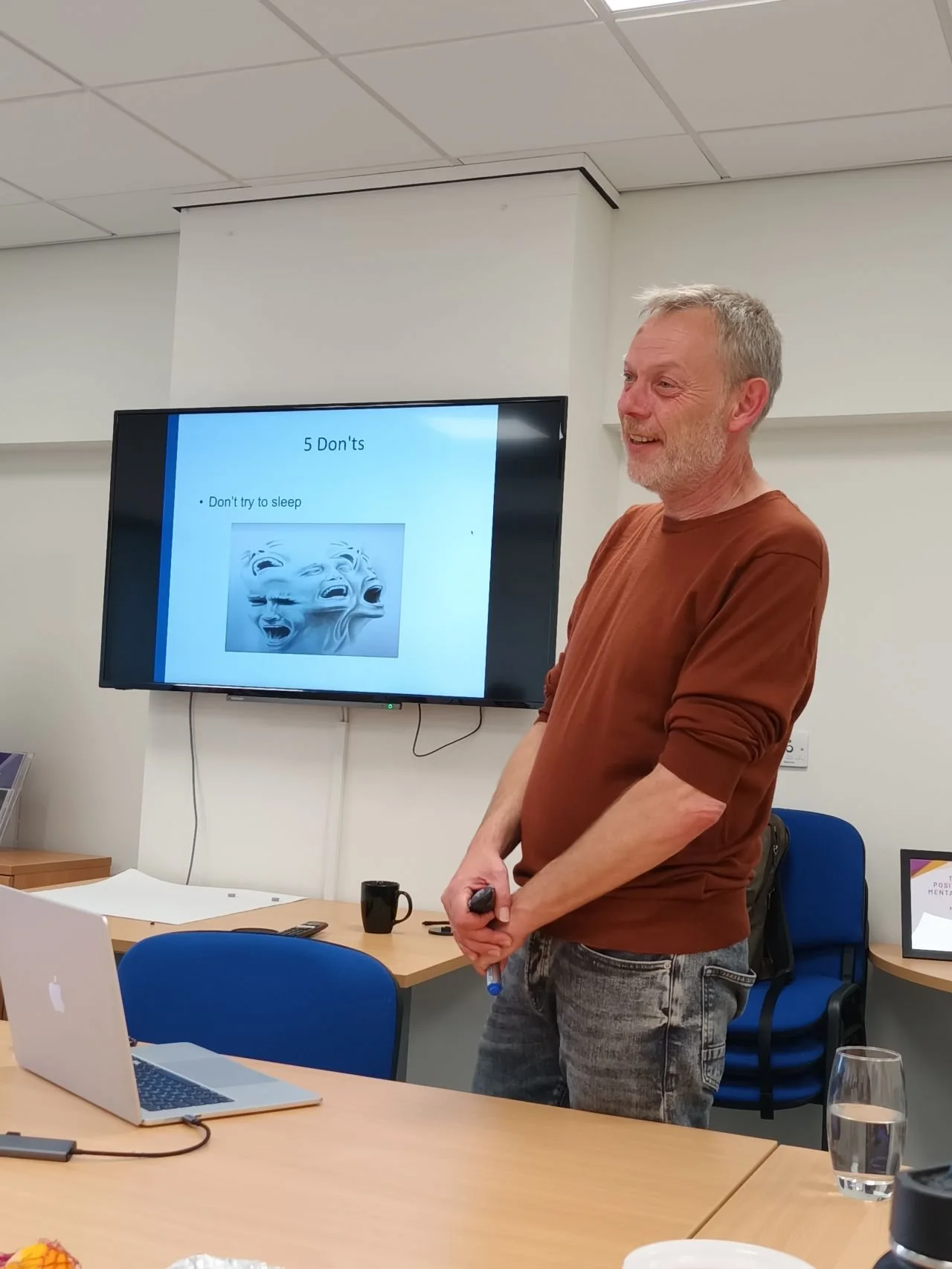
Poor sleep costs the UK £50 billion annually and leads to 207,000 lost working days. Many team members said they struggled to sleep one or two nights a week, and wanted more information on how they could get a good night’s sleep. We invited Professor Jason Ellis, Professor of Sleep Science at Northumbria University, to deliver a session on the science of sleep, practical strategies, and managing sleep-related anxiety; knowledge that benefited both our staff and the clients they support through our varied test-and-learn prototypes.
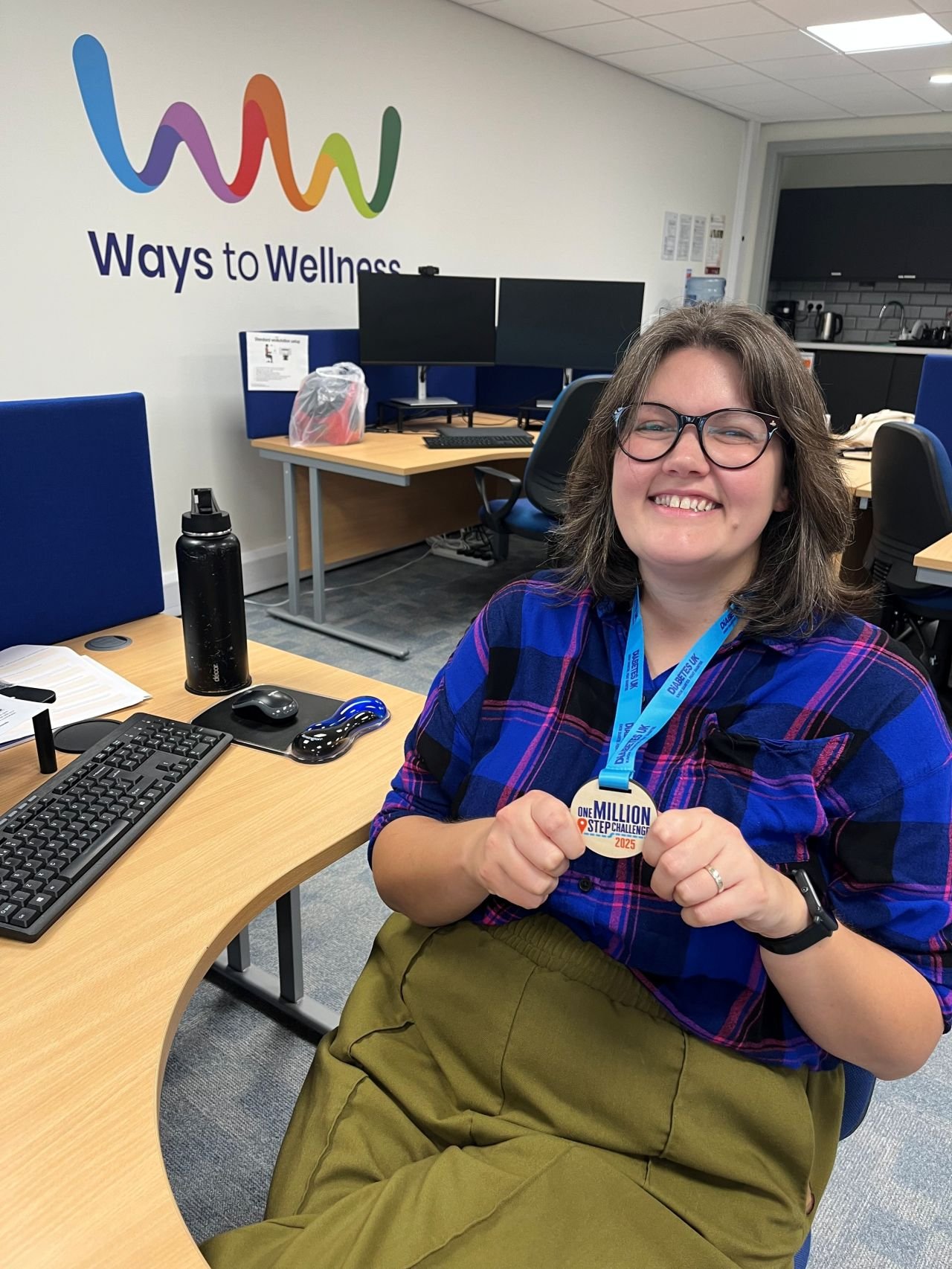
We also drew on the clinical expertise within our board. Dr Guy Pilkington, Chair of the Board and former GP, delivered an MSK masterclass focused on prevention, management and the importance of regular movement. Alongside this, we introduced monthly chair yoga sessions and encouraged participation in the Diabetes UK One Million Steps Challenge.
One colleague who attended the MSK masterclass said: “I've been diagnosed with rheumatoid arthritis for more than 20 years, and I learned things about it (and how it's looked at from the doctor's point of view - what they're looking for etc), which I had never heard before.”
Creating space for wellbeing
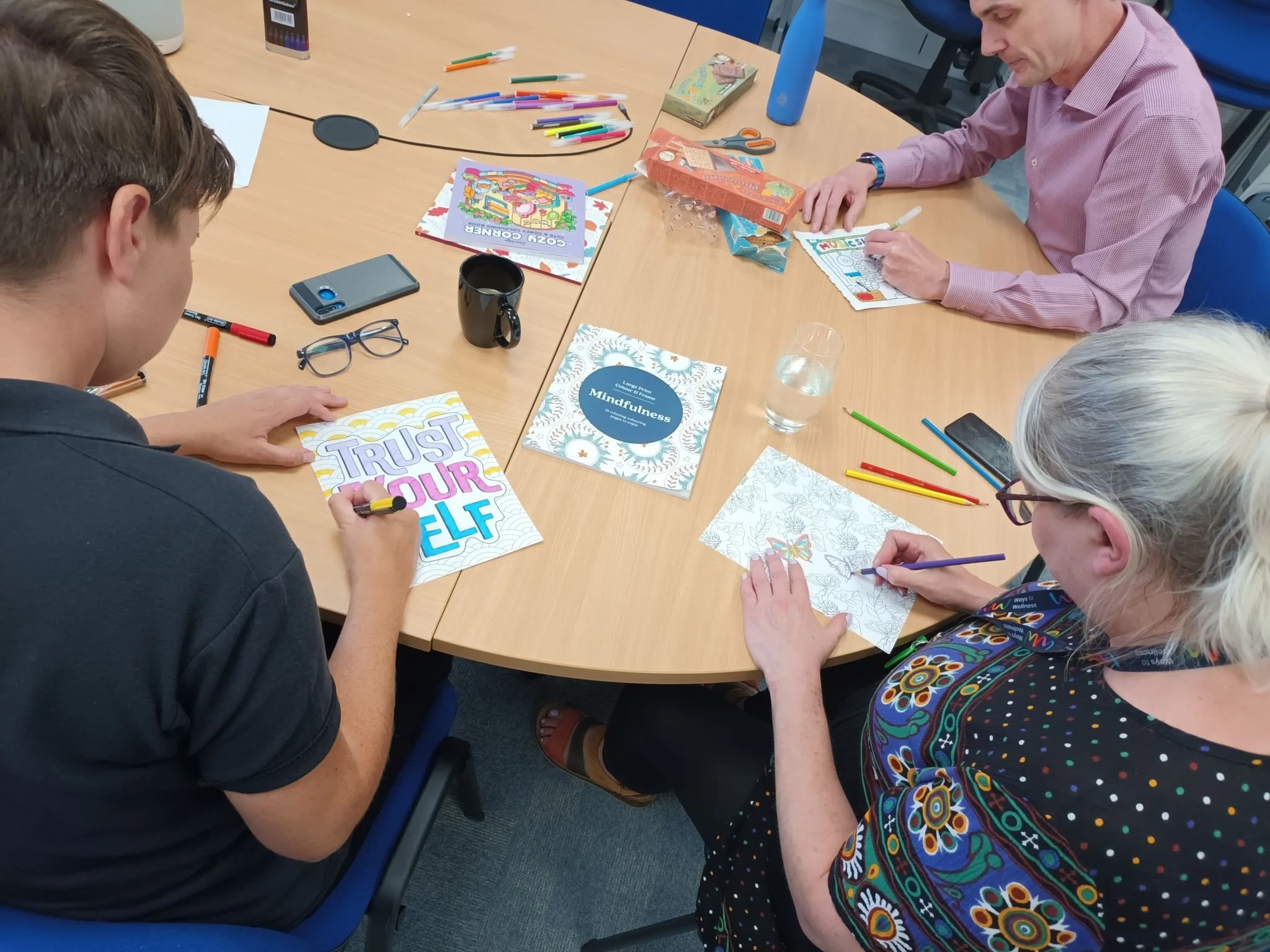
Supporting people with complex health needs can be emotionally demanding, and we are aware that stress can come as part of the roles our team members carry out. We introduced monthly ‘Space to Be’ sessions for people to take the time to do whatever they want, from colouring in to connecting over a cup of tea.
One attendee said: “I had a busy morning, so it helped me ensure I was taking a break, and I felt more calm after this. Reminded me it is helpful to take a break. I enjoyed socialising with my colleagues and talking about things other than work.”
Looking ahead
Achieving the bronze award is just the start. We’ve already set our sights on silver, so we can continue to embed health and wellbeing into every part of our working lives.